Free Resources
Access our collection of free healthcare communication training videos, guides, and resources to enhance your skills
Featured Videos
Watch our most popular training videos covering essential healthcare communication skills
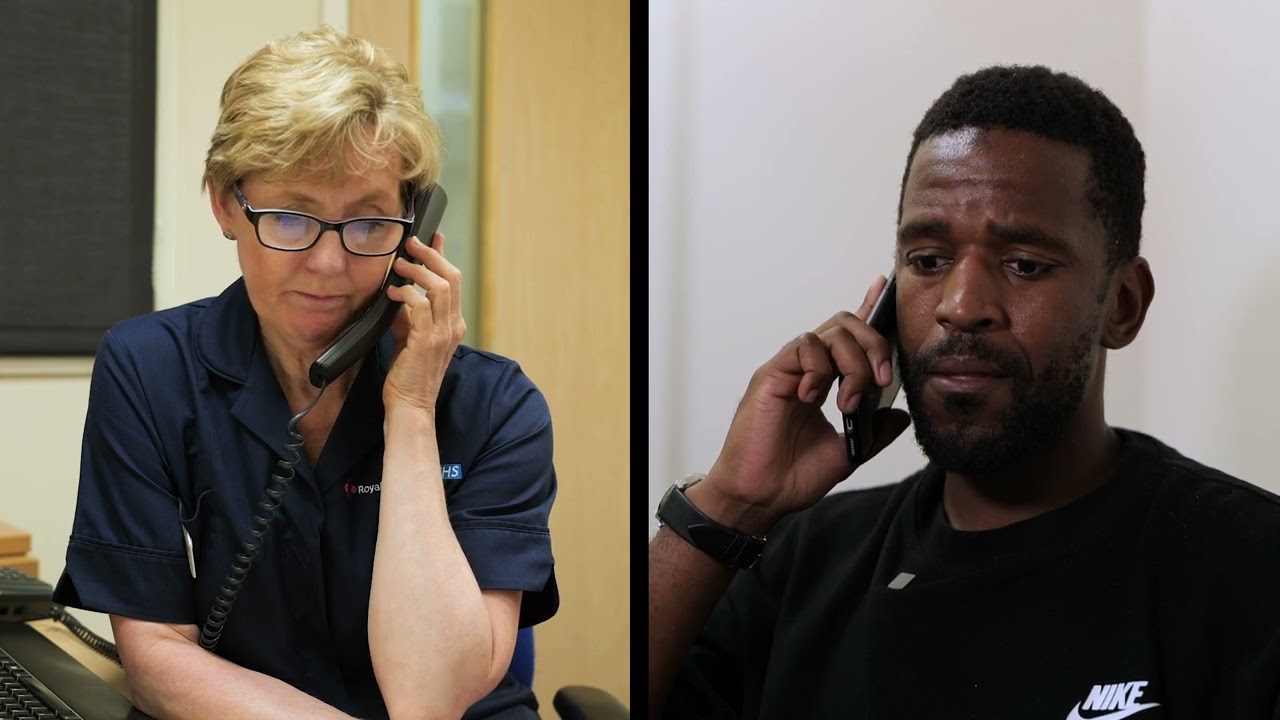
Critical Care ACST
Discover how Critical Care Advanced Communication Skills Training was developed in partnership with Guy's and St Thomas's NHS Trust.
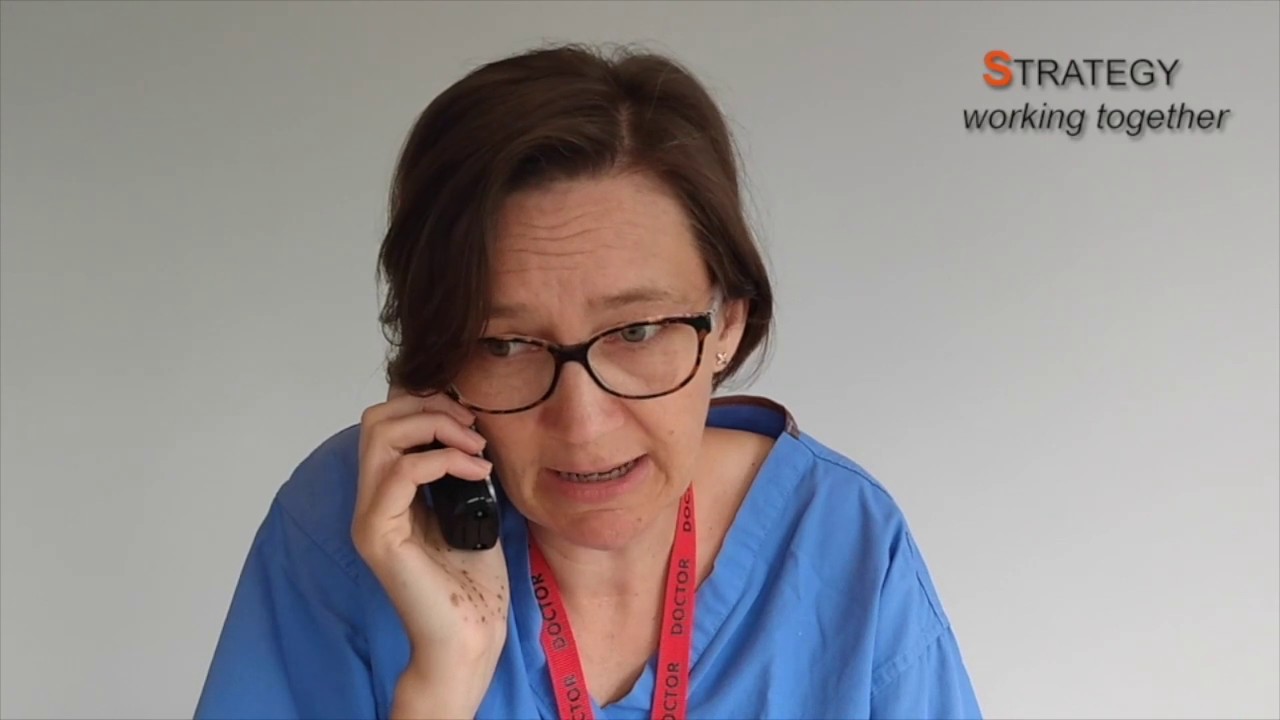
Breaking Bad News Over The Phone - SPIKES Model
A demonstration of breaking bad news over the phone using the SPIKES model, with practical techniques for compassionate delivery.
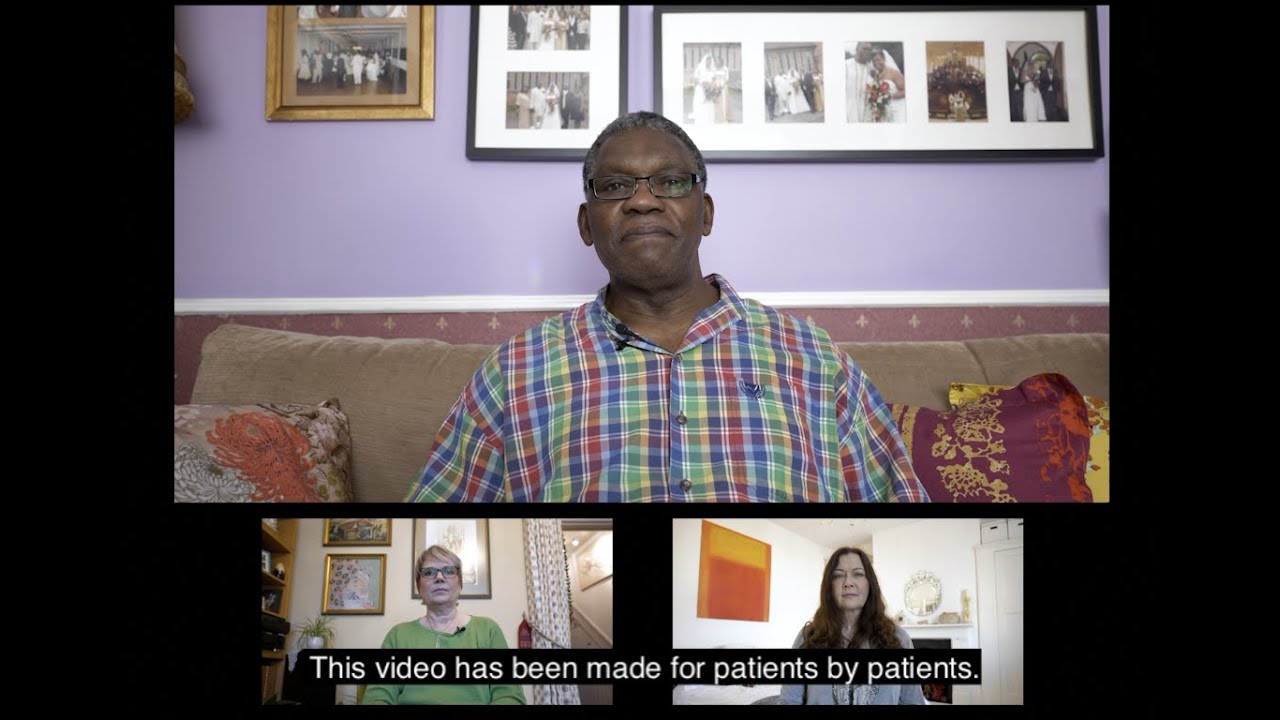
Top Tips For Patients - Making The Most Of Your Video And Phone Appointments
Made by patients for patients - practical tips on getting the most out of video and phone consultations with healthcare professionals.

FLC Facilitator Development Programme
Hear from our facilitators about their experience on the FrontLine Communication Facilitator Development Programme.
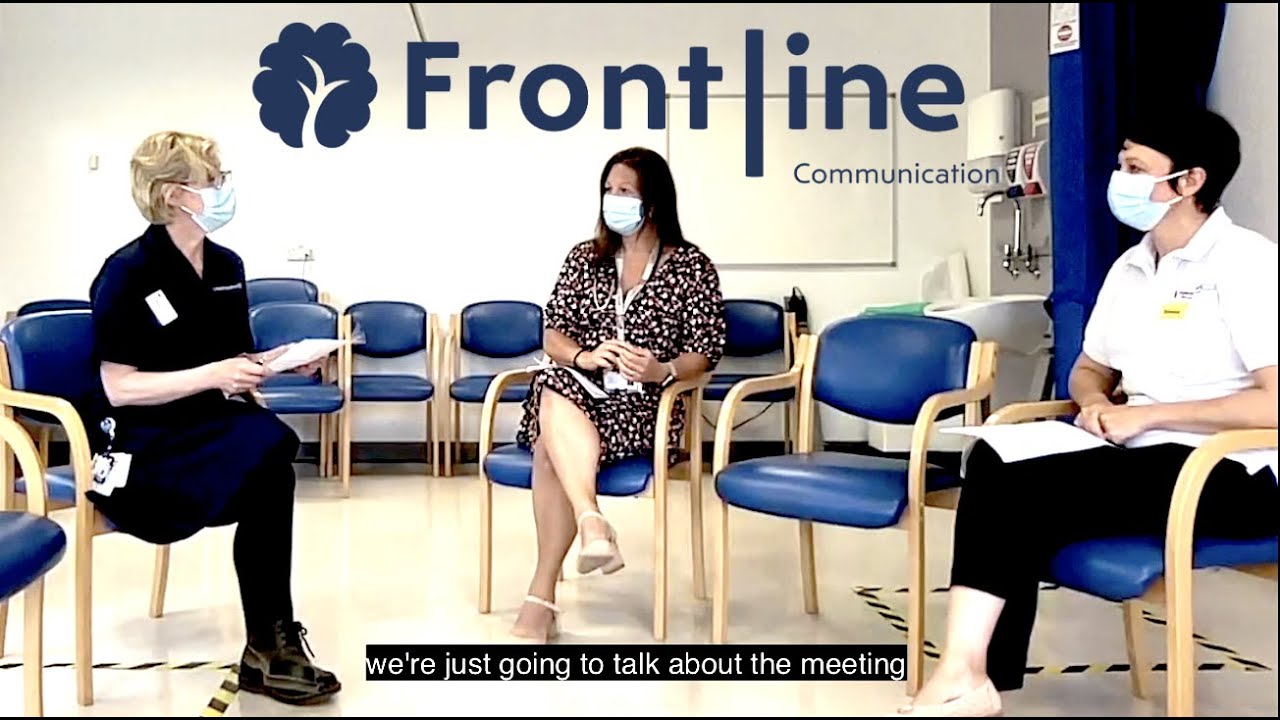
Family Meeting (Hospital Based)
A playlist of videos demonstrating family meeting scenarios in hospital settings. Multiple videos covering different aspects of these important conversations.
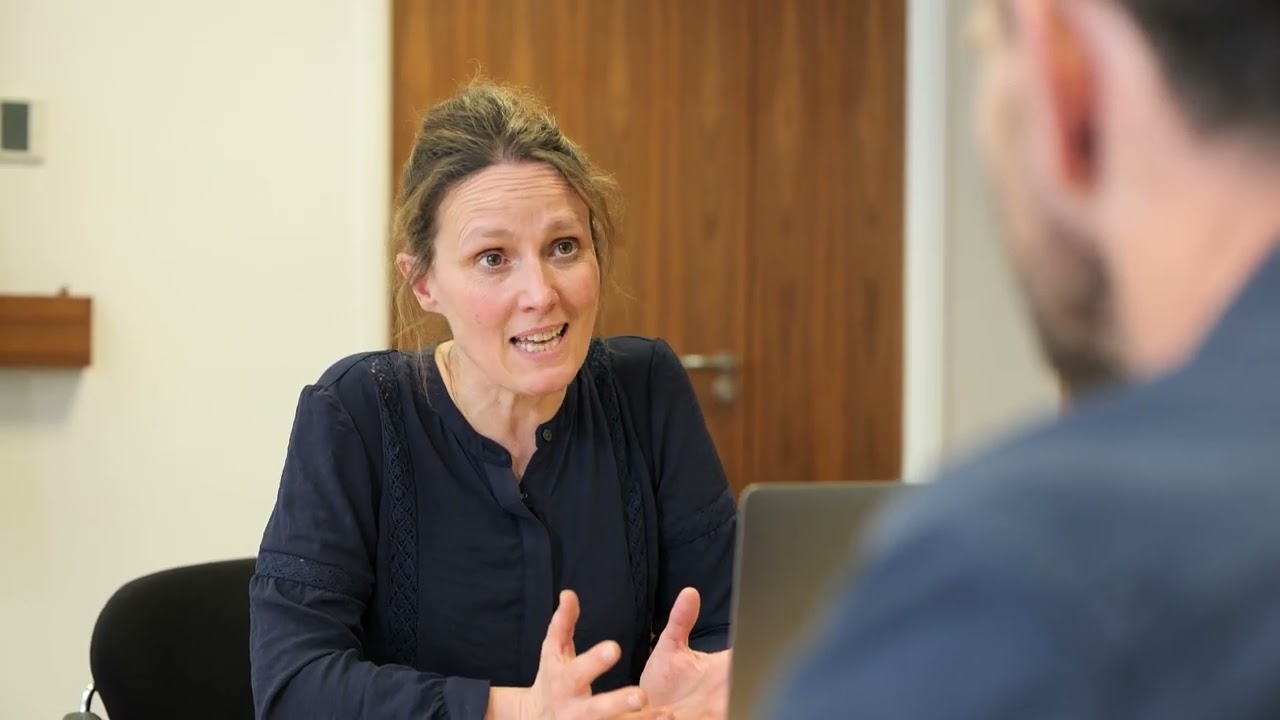
Colleague Conversations
A playlist of videos exploring communication between healthcare colleagues. Multiple scenarios demonstrating effective workplace conversations.
Subscribe to Our Channel
Stay updated with our latest healthcare communication training content
FrontLine Communication
Expert healthcare communication training videos, webinar recordings, and practical tips for healthcare professionals
Subscribe on YouTubeQuick Communication Tips
Active Listening
Give your full attention, maintain appropriate eye contact, and use verbal and non-verbal cues to show you're engaged.
Empathetic Responses
Acknowledge emotions before moving to practical matters. Phrases like "I can see this is difficult" validate feelings.
Clear Language
Avoid medical jargon when speaking with patients. Use simple, clear language and check for understanding.
Pause and Reflect
Allow silence for patients to process information. Don't rush to fill pauses - they can be powerful moments for reflection.
Ready for In-Depth Training?
While our free resources are a great starting point, our comprehensive training programmes provide the depth and practice needed for lasting change.